Treat Wai Chek as a potential remote outing, not a conventional hotel district. Confirm the currently appropriate approach and complete return plan with a suitable local provider before choosing transport. Keep a practical accommodation base and an alternative beach day so that the holiday does not depend on an unverified southern route.
Affiliate disclosure: eligible bookings may earn our site a commission without adding to your price.
Search hotels and compare room options

Quick answer
Decide whether the outing is workable before making it central to the trip. A past traveller’s description, nearby map pin or regional photograph cannot establish current access. Ask about the approach, available support and return together, and retain a different activity if those arrangements are unclear.
Where the beach sits on the island
Wai Chek is in the island's less-developed southern landscape. Unlike White Sand or Klong Prao, there is no dense tourist center with a selection of hotels, transport stands and restaurants. Some online directions may refer to old tracks or seasonal access arrangements. Treat those accounts as historical until a local guide or authority confirms conditions. Be prepared to turn back rather than follow a route that seems unsafe or restricted.
Treat past route descriptions as background until the current approach is confirmed. A remote location can change the planning requirements substantially. Ask a suitable local provider about the specific outing and retain an alternative if a clear arrangement is unavailable.
Road access is the main decision
On Koh Chang a short geographic distance can conceal very different journey times. The southern roads are steep, winding and sometimes limited. Remote tracks can deteriorate after rain, and a scooter may be unsuitable for the terrain. Do not rent a vehicle beyond your skill or licensing. Ask an experienced local driver or the park authority whether travel is currently allowed. If the route is not suitable, a comfortable southern beach with established access is an appropriate alternative.
Describe the party and proposed journey before choosing a vehicle. A map distance cannot establish the final track’s condition or suitability. Confirm what the provider can actually support instead of repeating a route merely because somebody completed it on another date.
Services, swimming and emergency planning
Do not expect regular lifeguards, food stalls, toilets or reliable mobile coverage at a remote cove. Take essential water and sun protection and inform someone of your planned route. Even a picturesque bay can have dangerous currents or rocks. Children and inexperienced swimmers should not enter water without appropriate supervision and a clear safety assessment. If you have medical conditions or mobility limitations, the difficulty of emergency access makes a more developed beach a safer choice.
Ask what services are genuinely available for the visit and what you need to bring. A remote beach should not be assumed to provide the same food, communications or assistance as an established resort district. Include the return in every discussion.
Wai Chek versus Long Beach and Klong Kloi
Long Beach is another remote part of southern Koh Chang, while Klong Kloi near Bang Bao offers small resorts and places to eat. These alternatives are not interchangeable in accessibility. A visitor seeking scenery and solitude can still choose a quieter established hotel rather than an isolated place with no services. If your priority is sleeping beside the sand, book a property with confirmed current operation and a real access route. The romantic idea of a secret beach should not override practical safety.
Compare alternatives by the experience and access they actually offer. Long Beach, Klong Kloi and Wai Chek are different outings, not interchangeable labels. A workable beach day elsewhere can be a better choice than an uncertain attempt to reach a remote bay.
Seasonal rain and realistic travel timing
Conditions change between drier months and monsoon periods. Tracks may be slippery and wave conditions unsuitable for swimming. Old online photographs cannot describe today's route or sea state. Begin any permitted excursion in daylight and leave a margin for returning before dark. Do not combine a remote beach trip with a tight evening ferry departure. Local advice is more relevant than a static map estimate.
Check conditions close to departure and clarify what would lead the provider to change or cancel the plan. Avoid attaching an important onward connection to an assumed return. The room and the rest of the holiday should still work if this outing changes.
Responsible exploration and protected habitat
Koh Chang includes protected natural areas, so obey signs, avoid entering closed tracks and remove all rubbish. Do not disturb vegetation or wildlife for a photograph. If a local service provides a guided visit, clarify its legality and operating conditions. Independent exploration is only appropriate where access is permitted and safe. Travelers primarily interested in beaches rather than a difficult nature excursion can enjoy Klong Prao, Kai Bae or other accessible shores instead.
Follow current local instructions for the intended activity and leave the place as you found it. A quiet or undeveloped label does not establish unrestricted access. Verify the arrangements for a particular visit rather than inferring permission from old photographs.


Treat Wai Chek as a possible outing, not a ready-made hotel district
The useful starting point is whether a visit is currently practical for your party. A remote beach image does not establish a permitted approach, usable transport or dependable services. Keep the accommodation decision separate: select a workable base, then investigate the outing using current local information.
Do not make the trip depend on completing a southern coastal driving loop suggested by a map. Confirm the actual access with an experienced local provider before committing. If it cannot be established clearly, choose an accessible alternative rather than turning uncertainty into the main activity of a short holiday.
Ask questions before selecting transport
Explain the date, party size and any walking limitations to the provider. Ask whether the proposed approach is currently appropriate, what conditions would change the plan and how the return is arranged. A description of somebody else’s past journey is not confirmation that the same route or vehicle suits your visit.
For a road proposal, seek a current account of the final approach rather than relying only on the main island road. For a boat proposal, confirm the operator and boarding arrangement as well as the destination. Neither approach should be inferred from a scenic point or a short straight-line distance.
Clarify the return before leaving
Agree on the meeting point, contact method and what happens if conditions change. Keep the outing separate from a tight onward ferry or flight connection. A plan that explains how to reach a remote place but leaves the return uncertain is incomplete, even when the initial journey sounds attractive.
Tell someone in your party or accommodation the agreed plan where appropriate, and retain the relevant contact details offline. Do not assume reliable services will be available at the destination. Ask the provider what you should bring for the time away and what assistance it can actually supply.
Choose a base that also works when the outing changes
The room should still serve ordinary meals, rest and another enjoyable day if access or weather prevents the visit. A stay chosen solely for apparent proximity to Wai Chek can undermine the rest of the holiday. Compare the actual approach, not the distance across the southern coastline on a map.
For a sand-focused routine with more established arrangements, investigate alternatives such as Klong Kloi through the linked Bang Bao Beach guide. This is a different experience rather than a claim that every beach has identical character. The point is to keep the holiday workable without making an unverified route essential.
Understand what the photographs show
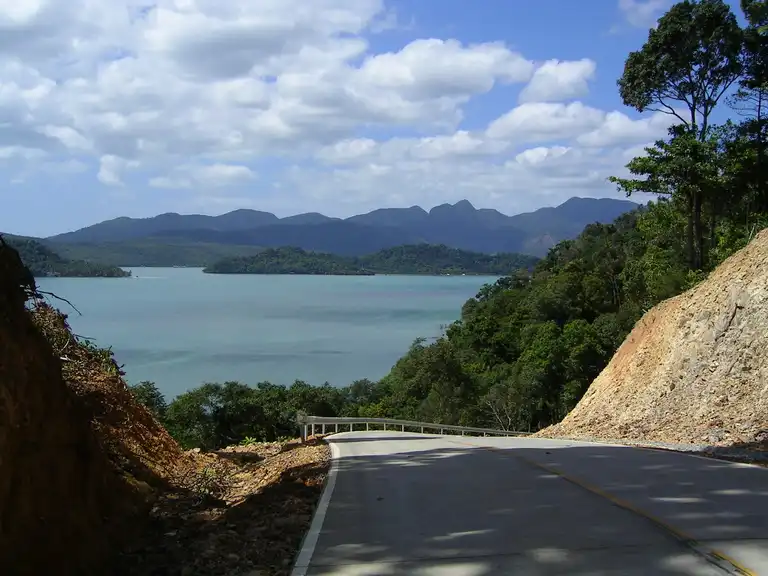
The captions on this page identify wider southern-island context, including an image not verified as Wai Chek. Do not read those pictures as documentation of the current access route. Use them for regional orientation and obtain date-relevant transport information separately.
A remote setting also deserves a light footprint. Follow current local and protected-area instructions, leave access clear and take away what you bring. A description of a quiet beach should not be interpreted as permission for unrestricted camping, driving or activity. Check the actual arrangements for the visit you intend to make.
Wai Chek FAQ
Is this a conventional area with many hotels and services?
No. Plan it as a potential remote outing and establish current access rather than assuming a normal resort-district routine.
Does the map prove a usable southern road loop?
No. Confirm the actual permitted approach and conditions with a suitable local provider before choosing transport.
Are the pictures proof of the current route?
No. Read the captions carefully; regional context images do not verify Wai Chek access on your travel date.
What if a clear return plan is unavailable?
Choose another outing or beach with workable arrangements. The accommodation and remaining holiday should not depend on completing an uncertain visit.
Related RoamNivo guides
Sources and editorial basis
This article uses published local guidance and operator information. We do not claim to have personally inspected hotels. Verify changes in pricing, travel conditions and access before departure.