Long Beach on southeastern Koh Chang is a destination for travelers seeking an undeveloped coastal setting rather than busy resort nightlife. It is a different journey from the popular west-coast beaches and requires attention to road access, water conditions and available services.

Quick answer
Choose the exact area and activity that fit your itinerary. The useful details are access, practical facilities, transport and seasonal conditions rather than a generic ranking.
Long Beach versus the west coast
White Sand, Klong Prao and Kai Bae are established west-coast hotel districts with wider restaurant choice. Long Beach is more remote, with a very different infrastructure and limited options. Choose it because you enjoy an isolated shore and simple accommodation, not because you expect a miniature version of White Sand. Confirm current business operation before making a long road journey. A beautiful photograph does not guarantee dining, shade or convenient transport once you arrive.
Practical check: Confirm current access, safety advice and the exact location before travel.
Road access through southeastern Koh Chang
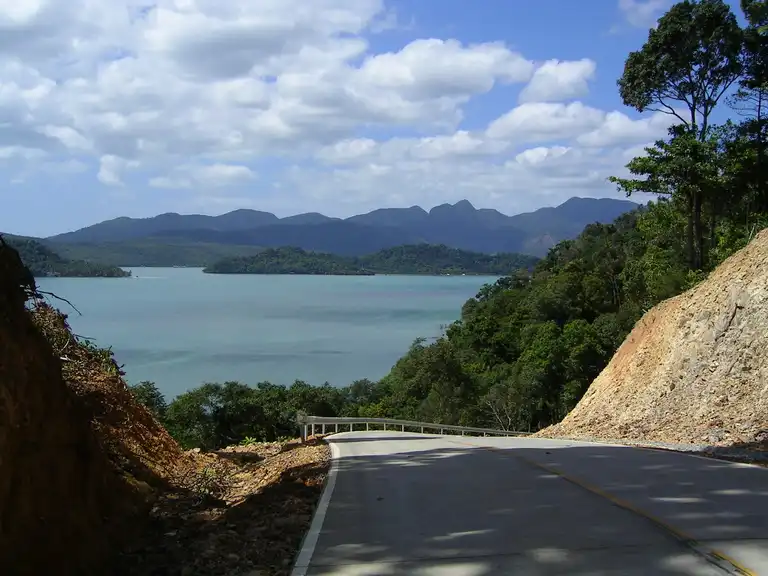
Reaching Long Beach may involve traveling along less-developed island roads. Conditions can change with rain, construction and maintenance, making a reliable local driver or property instructions important. Do not assume a western beach can be reached simply by continuing along an uninterrupted southern coastal loop. Koh Chang's roads are steep and winding in places, and remote access routes deserve special care. Arrange return transport and avoid setting off late without confirmation.
Practical check: Confirm current access, safety advice and the exact location before travel.
Accommodation and comfort expectations
Simple bungalow or camping-style accommodation can appeal to independent travelers, but facilities should be verified rather than assumed. Ask about electricity, drinking water, bathrooms, food, Wi-Fi and check-in arrangements. Some places may close seasonally. A visitor wanting a family swimming pool, guaranteed air conditioning and a staffed reception would be better served by a developed resort area. Pack necessary supplies while respecting the local environment.
Practical check: Confirm current access, safety advice and the exact location before travel.
Swimming, weather and responsible visits
The beach's remote atmosphere does not guarantee safe water. Tides, waves, rocks and currents can change conditions, and lifeguard coverage may be limited. Never enter unsafe water, and supervise children closely. Carry out litter, keep away from wildlife and avoid disturbing habitats. The combination of remoteness and rainy weather can make emergency or return travel more difficult. Check forecasts and local advice on the day.
Practical check: Confirm current access, safety advice and the exact location before travel.
Long Beach with Salak Phet and nearby viewpoints
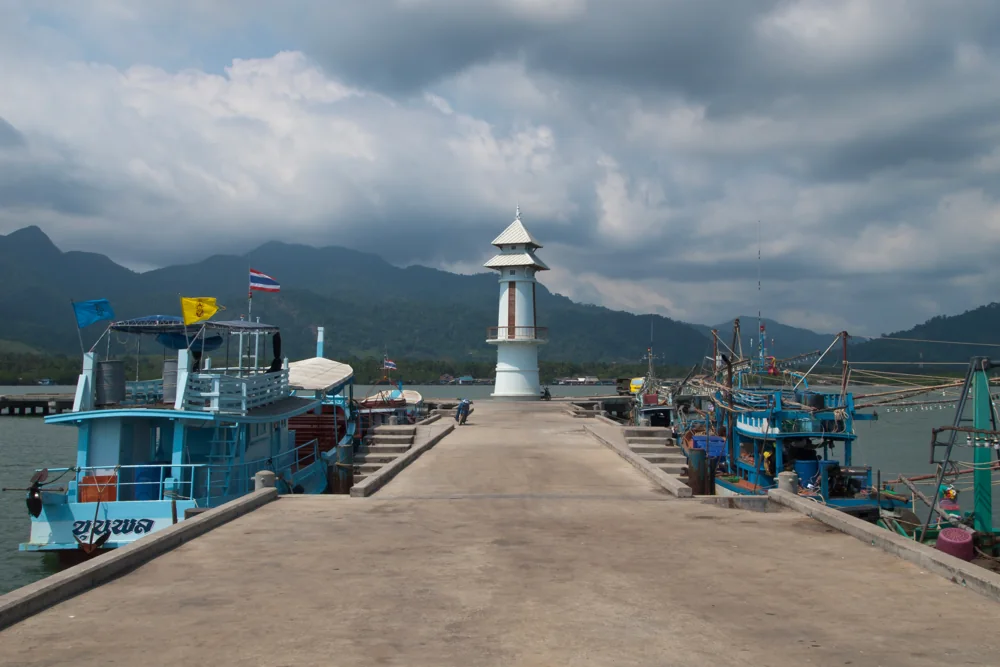
A visit can be planned with other eastern or southeastern Koh Chang areas, including Salak Phet Bay, when transport allows. Mangrove scenery and fishing villages offer different experiences from sand and surf. Allow extra time rather than attempting a rushed tour of the entire island. Travelers who want to return for dinner should arrange transport before departure. A remote stay is most successful when the slower pace is part of the purpose.
Practical check: Confirm current access, safety advice and the exact location before travel.

Plan the experience before booking
Begin with your main reason for visiting: quiet beach time, local dining, boating, nature or a special outdoor activity. A hotel or tour can be excellent yet wrong for your intended schedule. List your top two priorities and reject choices that make them unnecessarily difficult. The advertised distance on a map is only a starting point; real access can include winding roads, steps, rocks, changing tide or a boat transfer.
Compare the full cost for equal dates, guests and cancellation terms. Add meals, breakfast, local transport, transfers, equipment and taxes rather than comparing headline prices. A secluded location can be rewarding when you intend to remain there, but expensive if every meal or excursion requires an additional vehicle. A central hotel may provide fewer dramatic views yet save time. Read recent feedback from travelers who used the same room or tour type.
Access and safety checks
Confirm the actual entrance, boarding point, return schedule and last available service. If travel involves a small boat, uneven path or remote road, ask about luggage handling and whether the route is suitable for your party. Families with small children and travelers with mobility needs should request specific explanations rather than relying on words such as easy access. If a place has limited emergency services or no lifeguard, a conservative approach to swimming is especially important.
Weather and flexibility
Coastal conditions and transport timetables can change. Old photographs may show calm seas even when your travel day has rough surf. Follow lifeguards, official notices and responsible tour operators. On kayaking trips, the tide and weather may alter the route; on island journeys, a delay can affect onward flights. Leave a buffer and a viable alternative instead of making every day dependent on perfect conditions.
Room or tour booking checklist
Check the exact service included at the advertised price. For accommodation, verify the room category, beds, air conditioning, dining hours and cancellation deadline. For a tour, confirm pickup point, licensed operation, safety equipment, guide support, insurance terms and refund conditions. A provider's marketing page is not necessarily a guarantee that every photograph represents your specific room or activity. Retain written confirmation of important details.
How to organize a realistic remote beach day
Start by asking a local accommodation or driver whether the road is usable at the time of your visit. Bring drinking water, essential medication, sun protection and a charged phone rather than expecting shops at the end of the route. Tell someone where you intend to go if traveling independently. Avoid driving after heavy rain or toward dusk when unfamiliar with the road. A simple visit that leaves enough time to return before dark is better than a hurried itinerary.
If staying overnight, make sure the accommodation confirms your arrival and can provide the food, bedding and utilities you require. A quiet remote beach can be wonderful when expectations are aligned, but it is not appropriate for every family or traveler.
Frequently asked questions
Is the most famous area always the best base?
No. The best area is the one that supports the activities and atmosphere you actually want.
Are short distances always easy to travel?
No. Rocks, hills, roads, tides and boat schedules can make a short map distance difficult.
How should I handle weather changes?
Check current official guidance, allow a flexible day and never attempt unsafe sea or outdoor activities.
How do I compare the real price?
Use the same dates and occupancy, then add transfers, meals and mandatory extras.
Related guides
Affiliate disclosure: qualifying reservations may earn a commission without added cost to visitors.
Search hotels and compare room options
Editorial sources
This guide draws on published destination resources. Access and operating conditions change. Confirm critical details directly. We do not claim to have inspected every accommodation.