This guide focuses on a specific booking decision in Thailand. Choose by your daily requirements and actual room location, rather than an attractive property photograph or a broad neighborhood label. Verify current rates and access before making a reservation.

Quick answer
The strongest accommodation is the one that removes daily inconvenience, fits the guest's needs and provides transparent conditions for travel and cancellation.
BTS and MRT are separate
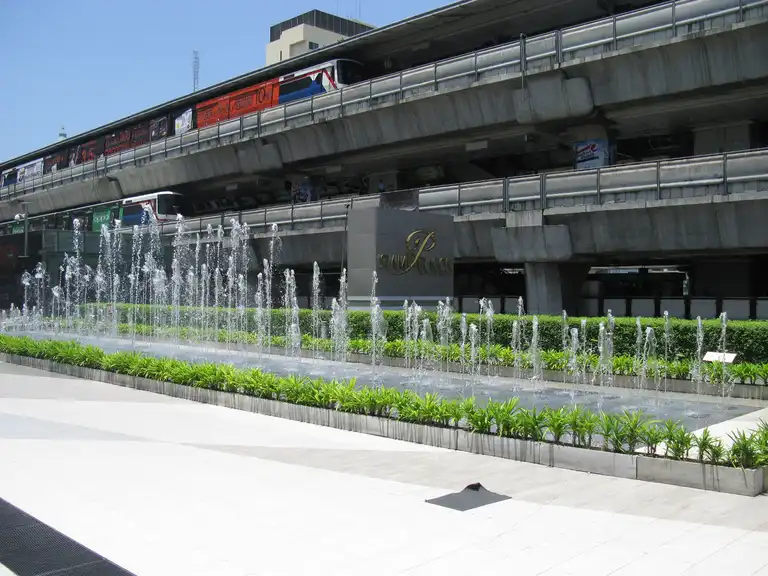
Asok BTS and Sukhumvit MRT connect different rail networks. Plan the specific transfer route, including steps and ticketing, rather than treating them as a single platform.
Station exits and lifts
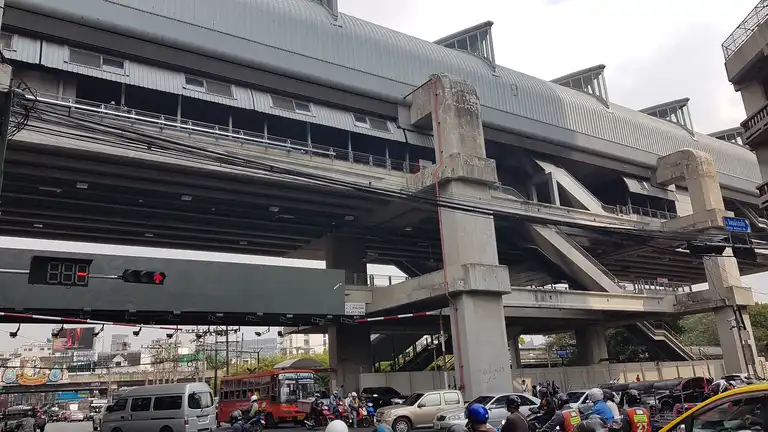
Identify the exit nearest your hotel and check current lift access. Carrying bags across major junctions may outweigh a short apparent map distance.
Arriving from the airport
Suvarnabhumi Airport Rail Link requires another transfer to reach Asok. Compare the full itinerary with a licensed road transfer when traveling with bulky bags.
Hotel entrance versus map pin
A building beside Sukhumvit Road may have its reception entrance on a side street. Ask for walking directions from the appropriate station exit.
Rush-hour convenience
Heavy crowds and heat make luggage transfers less pleasant during peak commuting periods. Allow extra time and consider waiting at the hotel if check-in timing permits.
Room noise and sleep
Busy Sukhumvit streets can affect road-facing rooms. Check room orientation and soundproofing, especially for early flights or business meetings.

How to make a useful hotel shortlist
Identify three properties that genuinely fit your travel dates, number of guests and daily routine. First compare the exact room and its accessibility, then add the cost of breakfast, extra beds, transfers and other fees. A property with a low room rate can become expensive if you need repeated taxis. Conversely, a higher rate may be justified when meals and the activities you want are already on site. Do not compare a refundable rate with a nonrefundable offer as if they provide the same value.
Inspect the actual location on a map, focusing on the building entrance rather than the beach or district center. Large resorts can span extensive grounds, and an advertised beach view may belong to only one expensive room type. A transit hotel near a station may still involve stairs, crowded crossings and a walk down a narrow lane. Ask about the route with luggage, strollers or mobility equipment if necessary. Simple marketing labels do not replace real access information.
What room photographs cannot confirm
Hotel galleries commonly lead with pools, restaurants and the best available suite. Check photographs of the selected room category and verify its beds, window view, bathroom and floor. Read recent reviews that discuss cleanliness, maintenance, noise and helpfulness of staff. If your holiday depends on a connecting room, cot, lift or accessibility feature, contact the accommodation and retain the answer. The practical comfort of an actual room is more important than a property-level rating.
Travel plans and conditions change
Beach swimming, boat connections and outdoor activities are sensitive to weather. Phuket and Koh Samui experience different seasonal patterns, while Bangkok traffic and heavy rain create their own complications. Follow current local authorities and operator instructions. Always leave extra time before flights, ferry departures or a booked excursion. A comfortable hotel pool, sheltered dining or flexible itinerary can save an otherwise stressful holiday. Never bypass an access closure or ignore water safety warnings to follow an old travel guide.
Sample two-night booking approach
On arrival day, minimize travel and confirm where to find dinner and essential services. Keep the second day for your main activity while preserving a backup for weather or fatigue. On the departure day, verify checkout, bag storage and the precise transfer pickup point. This approach highlights whether the hotel actually supports your stay. A property that makes three ordinary tasks simple can be more satisfying than one selected for its most dramatic photograph.
Test the journey from platform to reception
Look at the hotel entrance and station exit as two separate locations. First work out whether you arrive by BTS or MRT. Then identify the recommended exit and ask whether there is a lift or escalator on the practical route, not merely somewhere inside the station. Some walking paths include busy junctions or stairs over road crossings. A route that feels easy with a backpack may be tiring with two large suitcases. If the hotel can provide a photo of the correct entrance or clear directions, keep those instructions available offline.
Business travelers with laptops and rolling cases
When meetings begin soon after arrival, a hotel that reliably stores bags and has flexible check-in procedures may be more useful than the absolute nearest room. Confirm whether luggage storage is staffed, and whether a desk and reliable Wi-Fi are provided in the selected room. Traffic or construction noise can affect calls even when a building is near public transit. Read reviews about the particular wing and request a quiet room orientation where possible. Include the return journey late in the evening when comparing two hotel positions.
Choosing a taxi instead of a rail transfer
Rail can be attractive during busy road periods, but multiple line changes with heavy luggage may be uncomfortable. Compare the expected number of stairs and transfers with the convenience of an authorized airport taxi or prearranged hotel vehicle. A road journey may also be slow in traffic, so neither option is always faster. When flying early, plan from the terminal arrival requirement backward and leave a realistic margin. Ask the driver to use the hotel's precise address and entrance rather than a nearby landmark. Bangkok districts often have similarly named streets and separate entrances.
Frequently asked questions
Does beachfront mean my room opens onto sand?
No. Verify the booked room building and practical path to the shore.
Is a hotel described as family-friendly automatically supervised?
No. Ask which activities and pools are staffed, and check the age policy.
Will the closest-looking hotel save travel time?
Not always. Roads, piers, station exits, weather and the actual entrance affect journeys.
How can I compare complete value?
Use identical dates, guest counts and cancellation terms, adding meals and transfers.
Related RoamNivo guides
- sukhumvit asok hotels near bts mrt
- sukhumvit hotels near mrt vs bts guide
- bangkok phrom phong vs asok hotels
- phaya thai bangkok airport link hotels
Affiliate disclosure: qualifying bookings may earn a commission without added cost to the visitor.
Search hotels and compare room options
Confirm the hotel entrance with reception and save the directions for use offline after landing.
Arrival with luggage: plan each transfer
Asok BTS and Sukhumvit MRT connect different networks; they are not a single through train. For arrival from Suvarnabhumi, plan the Airport Rail Link leg and the onward connection separately. Check the hotel’s actual entrance, the station exit with practical lift access and whether the walking route crosses a busy road. Large suitcases, heat and evening crowds can turn a short map distance into an inconvenient journey. Save the address in Thai, confirm late reception and compare the complete rail journey with a licensed taxi before choosing a room.
Sources and editorial notes
We use published travel and operator sources. Current prices and conditions should be checked directly. We do not claim first-hand inspections of all properties.